Common Pallet Compliance Issues
Whether you’re shipping domestically or internationally, handling food products, or working with retail distribution centers, the pallets your business uses must meet certain standards to ensure safety, traceability, and legal compliance.

If your pallets are non-compliant, it can result in shipment delays, rejected loads, fines, and increased operational costs. Here’s a breakdown of the most common pallet compliance issues and how to avoid them.
ISPM-15 Compliance (International Shipping)
If you’re shipping pallets internationally, ISPM-15 is the standard that governs pallet treatment. Pallets must be:
- Heat-treated or fumigated
- Properly stamped with the ISPM-15 mark
- Traceable to treatment records
Common compliance issues:
- Missing or incorrect ISPM-15 stamp
- Unapproved treatment method
- Incomplete documentation
How to avoid it:
- Work with a pallet provider that can verify treatment and documentation
- Ensure your pallets are properly stamped and recorded
- Track pallet usage and avoid reusing untreated pallets for export
Food-Grade and Sanitation Requirements
Food and beverage supply chains often require pallets that meet sanitation standards to avoid contamination.
Common compliance issues:
- Using pallets that are too old or damaged
- Pallets with visible mold, spills, or contamination
- Pallets stored outdoors without protection
How to avoid it:
- Use clean, well-maintained pallets for food-grade applications
- Implement a sanitation and inspection program
- Keep pallets stored in a dry, controlled environment
Retail Compliance Standards
Many retailers have strict pallet standards for inbound shipments, including:
- Standardized pallet dimensions
- Specific pallet types (GMA, stringer, etc.)
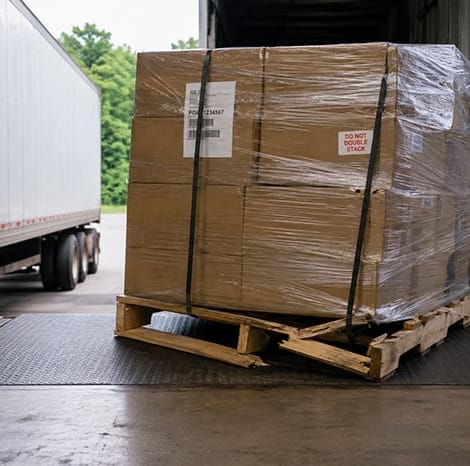
- Proper pallet load stability and stretch wrap requirements
Common compliance issues:
- Wrong pallet size or type
- Poor load stability
- Damaged pallets used for inbound shipments
How to avoid it:
- Confirm retailer requirements before shipping
- Use consistent pallet types and sizes
- Implement a pallet inspection and repair program
Traceability and Documentation
Traceability is a major issue in modern supply chains. If pallets are part of a managed program or used for multiple customers, tracking usage and movement becomes essential.
Common compliance issues:
- Missing pallet documentation
- Lack of pallet tracking
- Misidentified pallet inventory
How to avoid it:
- Use a pallet tracking system or standardized labeling
- Keep accurate records of pallet movement and repair history
- Work with a provider that offers traceability support
Compliance issues can create major disruptions and increase costs—especially when they lead to rejected shipments or regulatory fines. The best way to avoid compliance issues is to work with a pallet partner that understands your needs, maintains standards, and provides consistent quality.
Need help meeting pallet compliance standards?
Call Rose Pallet at 708.333.3000 or contact us to discuss compliance-ready pallet solutions and repair programs.