The Case for Increasing Pallet Inventory Before Peak Season
It’s time to forecast for peak season Q4 volume. Labor planning, transportation capacity, and warehouse space are key considerations. Equally important is ensuring adequate pallet inventory, as shortages can quickly disrupt receiving, storage, and shipping activities.
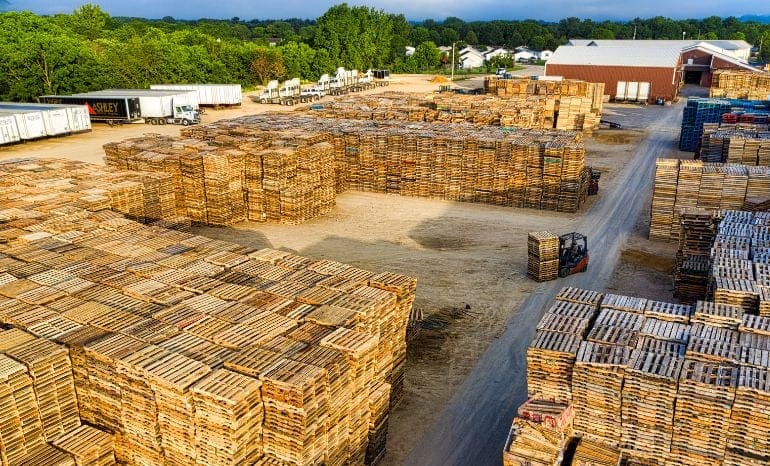
If you’re preparing budgets or seeking approval for additional pallet purchases before peak season, here’s how to build a compelling business case.
Understand the Cost of a Pallet Shortage
A pallet shortage can quickly ripple through an entire operation, impacting throughput, service levels, and profitability.
When presenting a request for increased pallet inventory, focus on the cost of not having enough pallets. Be prepared to support your recommendation with data and analysis that addresses the following questions:
- What is the hourly cost of warehouse labor waiting for pallets?
- How much revenue could be impacted by delayed shipments?
- What are the costs associated with emergency pallet purchases?
- How much does expedited freight add to procurement costs?
- What customer penalties or service failures could result from shipping delays?
In many cases, the cost of a single operational disruption can exceed the investment required to increase inventory levels.
Use Data to Support Your Request
Leadership responds best to data-driven recommendations. Review previous year’s peak-season shipment volumes, historical consumption rates, inventory levels, pallet losses, and emergency purchases. Presenting historical trends helps demonstrate that additional inventory is based on measurable demand rather than assumptions.
If shipment volume is expected to increase by 10%, 15%, or 20%, your pallet requirements will likely increase as well.
Account for Market Volatility
Supply chain disruptions can affect pallet availability just as they impact other materials.
Consider lumber market fluctuations, regional supply shortages, and transportation delays. Proactively increasing pallet inventory can help reduce exposure to these volatile conditions and improve operational resilience.
Conversely, waiting until peak season arrives may leave organizations competing with others for available inventory.
Protect Warehouse Productivity
Warehouse productivity depends on having the right materials available at the right time. When pallet inventory becomes tight, employees often spend valuable time searching for usable pallets, sorting through damaged inventory, or waiting for replacement pallets to arrive.
These inefficiencies can increase labor costs and reduce throughput during the busiest time of year. An adequate pallet supply allows teams to focus on moving products rather than managing shortages.
Position as Risk Management
One of the most effective ways to justify additional pallet purchases is to frame them as a risk mitigation strategy.
Additional inventory can help organizations:
- Maintain service levels during demand spikes
- Absorb unexpected shipment increases
- Reduce emergency procurement costs
- Minimize operational disruptions
- Improve customer satisfaction
Leadership often understands the value of reducing operational risk, especially during critical revenue-generating periods.
Optimize Existing Inventory
For organizations operating multiple facilities, increasing inventory may not always mean purchasing more pallets. Before making new purchases, evaluate current inventory by location, utilization rates, and facility-specific demand forecasts.
A network-wide assessment may reveal opportunities to optimize existing inventory while identifying facilities that genuinely require additional supply.
Build a Strong Case
When presenting your case, include:
Current State
- Existing pallet inventory levels
- Historical demand patterns
- Identified risks
Future Demand
- Peak-season volume projections
- Estimated pallet requirements
- Expected inventory gaps
Financial Impact
- Cost of additional inventory
- Cost of potential shortages
- Potential savings from avoiding emergency purchases
Operational Benefits
- Improved throughput
- Reduced labor inefficiencies
- Better customer service performance
- Reduced operational risk
Invest in Inventory
Rather than viewing pallet inventory as an expense, consider it an investment in operational continuity. Rose Pallet can help you determine the optimal inventory levels for your operation and prepare for peak demand with confidence. Reach out today to discuss your pallet management goals.