The Pallet Strategy Most Companies Are Missing
We get it. Procurement teams are trained to negotiate unit costs per pallet. But that narrow focus can drive up total costs across your operation. The reality? The biggest opportunities for savings don’t come from shaving a few cents off pallet price. They come from system design and lifecycle management.

System design is about aligning your pallets with how your operation actually runs. Instead of asking, “What’s the cheapest pallet we can buy?” You should ask, “What pallet performs best in our environment?”
Key Elements of Smart System Design
- Load Compatibility
Your pallet should match the weight, shape, and fragility of your product. Overbuilt = wasted money. Underbuilt = damage risk. - Equipment Alignment
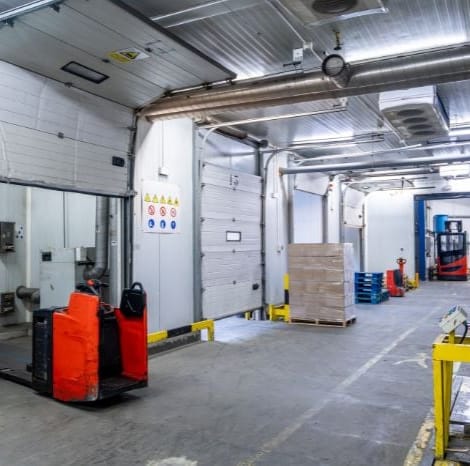
Pallets need to work seamlessly with racking systems, conveyors, forklifts, and automation. Even small inconsistencies can slow down throughput. - Standardization
Too many pallet sizes or specs create handling inefficiencies, storage challenges, and training issues. Simplifying your pallet mix can unlock immediate gains. - Transportation Efficiency
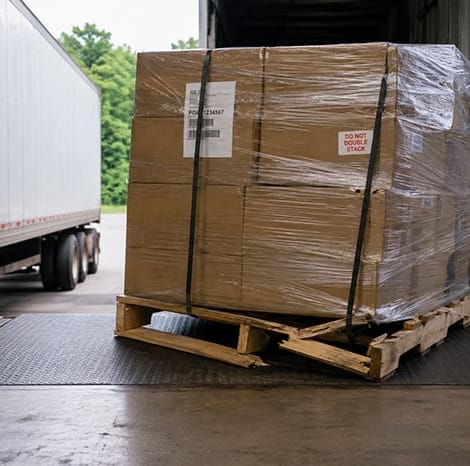
Well-designed pallets improve trailer utilization, load stability, and shipping costs. In fact, a better design can reduce the number of shipments required altogether.
Why Lifecycle Management Matters Even More
A pallet’s cost isn’t just what you pay to acquire it—it’s what it costs over its entire life. Lifecycle management focuses on maximizing value from every pallet over time. It includes:
- Durability & Repairability
Higher-quality pallets often last longer, require fewer replacements, and can be repaired instead of discarded. - Tracking & Recovery
Lost pallets equates to lost money. Strong systems help ensure pallets return and stay in circulation. - Repair Programs
Instead of constantly buying new pallets, a repair strategy extends pallet life, reduces waste, and lowers long-term spend. - End-of-Life Optimization
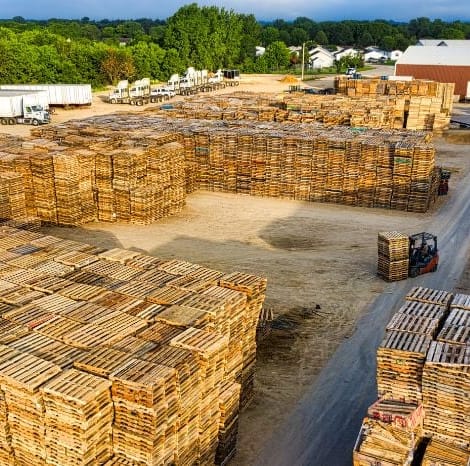
Even at the end of their usable life, pallets still hold value through recycling and material recovery.
The Real Shift: From Product to System
The most effective organizations stop thinking of pallets as a product—and start treating them as part of a connected system. That shift changes everything.
| Old Mindset | New Mindset |
| Lowest price wins | Best performance wins |
| One-time purchase | Lifecycle investment |
| Vendor negotiation | Operational optimization |
| Reactive replacement | Proactive management |
What Optimization Actually Looks Like
When system design and lifecycle management are working together, you’ll see fewer product damages, smoother warehouse operations, better trailer utilization, lower total cost over time, and more predictable supply chain performance.
Where to Start
If you’re looking to improve pallet performance without overhauling everything overnight, start by auditing your current pallet mix. Next, evaluate total cost (not unit price). Explore repair and reuse programs. And last but certainly not least, partner with a provider who understands your operations.
Rose Pallet can help you unlock real value by optimizing how pallets function in your system. Contact us today to continue the discussion.