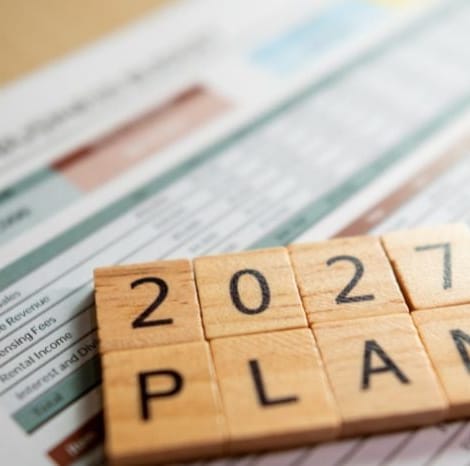
5 Pallet Trends That Should Shape Your 2027 Budget
As procurement teams and operations leaders begin planning their 2027 budgets, one thing is clear: nobody wants unexpected supply chain costs after the budget has already been approved. Here are five pallet trends to keep in mind as you are preparing.
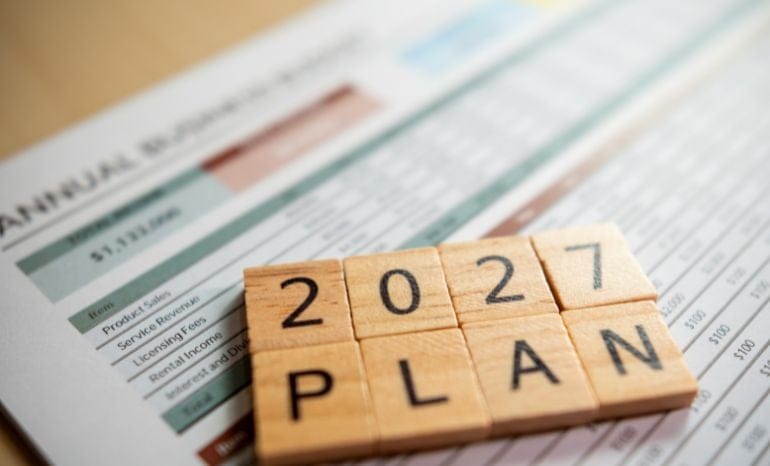
While the extreme pallet shortages and price volatility of the past few years have largely stabilized, organizations still face pressure to reduce costs, improve efficiency, and build more resilient supply chains. The good news? A little planning now can help you avoid costly surprises later.
1. Labor Costs Continue to Influence Pricing
Although lumber prices have stabilized compared to pandemic highs, labor remains one of the industry’s largest cost drivers. Skilled labor shortages and rising wages continue to impact pallet manufacturing, repair, and logistics.
Budget tip: Lock in pricing where possible and work with suppliers that have reliable production capacity and labor resources.
2. Material Costs Are More Stable—But Not Static
Lumber and fastener pricing is far more predictable than it was a few years ago, but market conditions can still fluctuate due to tariffs, transportation costs, weather events, and regional demand.
Budget tip: Build a small contingency into your pallet budget rather than assuming prices will remain flat all year.
3. Supply Chain Resilience Matters
Today’s procurement teams aren’t just buying pallets—they’re evaluating supplier reliability. A missed shipment or inconsistent pallet quality can create costly downstream disruptions.
Budget tip: Look beyond unit price and consider supplier performance, inventory availability, and geographic coverage when selecting a pallet partner.
4. Sustainability Can Reduce Costs
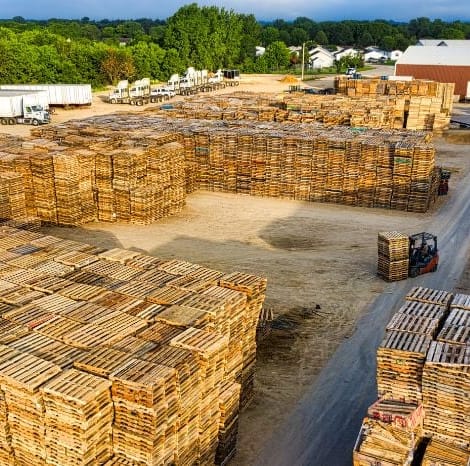
Many companies are finding that repaired, recycled, and reconditioned pallets help lower costs while supporting their sustainability goals. Reuse programs and pallet recovery initiatives can also reduce waste and improve operational efficiency.
Budget tip: Ask your supplier about recycled pallet options, pallet recovery programs, and ways to extend pallet life.
5. Plan Before Demand Peaks
Waiting until orders increase or budgets are finalized can limit your options. Early planning provides better forecasting, more consistent supply, and fewer last-minute purchases at premium prices.
Budget tip: Review your annual pallet usage, identify seasonal spikes, and discuss your 2027 requirements with your supplier before peak demand arrives.
Let’s Talk Budgeting
Whether you’re looking to reduce costs, improve supply reliability, or develop a more sustainable pallet program, Rose Pallet can help you build a strategy that supports your operational and budget goals for 2027.
Let’s start the conversation today so you’re prepared for tomorrow.