Can pallets be redistributed instead of purchased?
In many cases, the pallets you need may already exist somewhere within your network. Rather than buying more, redistribution could unlock significant cost savings while making better use of your existing inventory.

Pallet inventory is typically managed at the facility level. Each location monitors its own supply and places orders as needed. While this approach keeps operations moving, it can also create imbalances across a network.
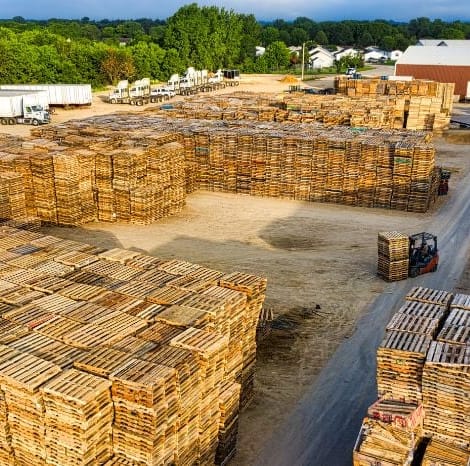
One warehouse may be purchasing additional pallets while another has hundreds sitting unused after a seasonal slowdown or customer transition.
The key is understanding where your pallet inventory is located. Build a network-wide inventory picture that includes:
- Which facilities consistently purchase the most pallets
- Which locations carry excess inventory
- Which sites have seasonal fluctuations in pallet demand
- Which facilities recently reduced production or shipping volumes
This picture may reveal opportunities to reposition assets instead of purchasing new ones. However, redistribution isn’t always free. Transportation costs, labor, and handling should all be considered.
Identify Seasonal Opportunities
Demand rarely peaks at every facility simultaneously. For example, a facility supporting lawn and garden products may slow down after summer. Conversely, a consumer goods distribution center may begin ramping up for holiday demand.
Recognizing these seasonal differences allows organizations to move pallet inventory where it’s needed most.
Repair Before You Replace
Redistribution also creates an opportunity to inspect pallet condition. Facilities with excess inventory may have repairable pallets that can be refurbished and reused rather than discarded.
Repairing and redistributing pallets can:
- Reduce purchasing costs
- Extend pallet life
- Improve sustainability
- Increase the return on existing pallet assets
Standardize Pallet Specs
Redistribution works best when facilities use consistent pallet specifications. Standard pallet sizes and grades make it easier to transfer inventory between locations without disrupting warehouse operations or customer requirements.
Organizations using multiple pallet types may benefit from evaluating whether standardization could improve flexibility across their network.
Purchase When it Makes Sense
Redistribution isn’t always the right answer. Additional purchases may still be necessary when:
- Overall network demand is increasing
- Existing inventory is insufficient
- Transportation costs exceed replacement costs
- Customer requirements call for new or specialized pallets
- Peak season requires additional safety stock
The goal isn’t to eliminate purchases altogether. It’s to ensure new pallets are purchased only when they truly add value.
Take a Holistic Approach
The most effective pallet programs don’t focus on individual facilities—they optimize inventory across the entire operation. By evaluating existing inventory before placing new orders, organizations can often reduce costs, improve asset utilization, and strengthen supply chain performance without compromising service levels.
At Rose Pallet, we help organizations evaluate their pallet programs from a holistic perspective. Whether it’s identifying opportunities for redistribution, implementing repair programs, or forecasting future demand, our team can help ensure you have the right pallets in the right place at the right time. Contact the pallet pros to continue the conversation.