How to Build a Pallet Program That Reduces Damage and Shrink
Pallet damage is a hidden cost that impacts safety, productivity, and inventory through pallet shrink. When pallets disappear from your system, you end up buying more than you need. A strong pallet program reduces damage and shrink by standardizing pallet use, keeping damaged pallets in circulation through repair, and tracking inventory consistently.
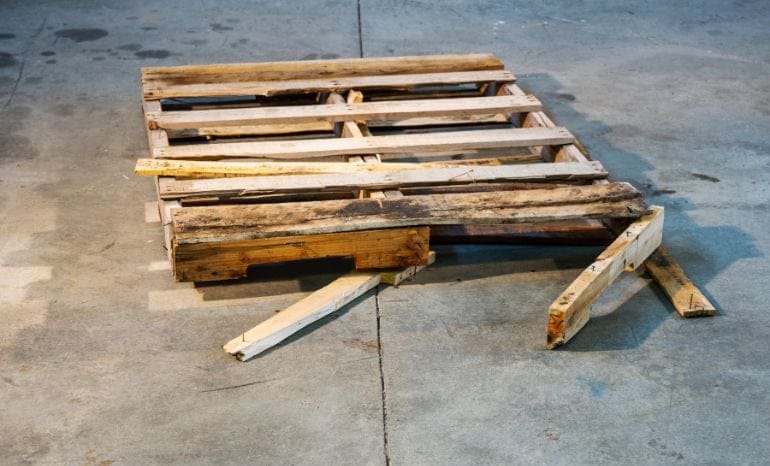
With the right pallet program, you can reduce damage, minimize shrink, extend pallet life, and improve operational consistency. Here’s how:
First, be sure you’re always using the right pallet for the job.
Not all pallets are created equal. Using the wrong pallet type or size can lead to board breakage, stringer failure, product damage, or increased shrink. When choosing pallets, consider the following:
- Product weight and density
- Rack or shelving requirements
- Material handling equipment (pallet jacks vs. forklifts)
- Load stability and stacking needs
Next, set clear handling standards.
One of the most common causes of pallet damage is inconsistent handling. When forklifts, dock teams, and operators all use different loading and stacking methods, pallets wear out faster.
- Establish standard pallet loading rules (weight distribution, stacking height limits)
- Train forklift operators on proper entry angles and lift techniques
- Create consistent labeling and pallet identification systems
Implement a repair program.
A repair program is one of the fastest ways to reduce shrink and improve pallet reliability. Instead of discarding damaged pallets, a repair program extends their life by replacing only the broken components. This benefits the bottom line by reducing pallet replacement costs and minimizing emergency pallet purchases. Of course, your operations benefit with more consistent pallet quality and fewer failures.
Conduct routine pallet inspections.
Routine inspections catch issues before they become failures. A quick inspection program helps you identify loose boards, splits and cracks, damaged stringers, and unsafe pallet conditions.
Consult our simple checklist and assign inspection ownership to a team or shift. Consistency is the key to preventing damage.
Last but not least, track pallet performance.
If you don’t measure it, you can’t improve it. Tracking pallet performance helps you understand failure rates, repair frequency, cost per trip, and damage patterns.
Key metrics to track:
- Pallet failure rate per 1,000 trips
- Repair-to-replace ratio
- Cost per trip
- On-time delivery impact due to pallet failures
A well-built pallet program reduces damage, improves safety, and protects your operation from unexpected disruptions. It starts with the right pallet selection, consistent handling standards, routine inspections, and a repair program that keeps pallets in circulation longer.
Want to reduce pallet shrink and improve reliability in your operation?
Contact the pallet pros at Rose Pallet to learn more about our repair programs and pallet solutions.