Wood Pallets in Winter
Winter can present unique challenges in warehouse operations, particularly when temperatures dip below freezing. While the focus is often on worker safety during these cold months, it’s crucial not to overlook the condition of your pallets. This is especially true when handling sensitive materials like pharmaceuticals, food products, or consumables, where pallet quality directly impacts product safety. Mold growth becomes a significant concern during rainy and snowy conditions, potentially compromising your products and causing disruptions in supply chains.
Mold Prevention for Wood Pallets
Mold can thrive on wood pallets when exposed to the moisture and humidity often present in winter. It’s essential to prevent mold growth to ensure product integrity. This is particularly true in industries dealing with consumables and chemicals. Mold on pallets can lead to contamination, causing delays and complications in production.
Best Practices for Mold Prevention:
- Storage: Ensure pallets are stored in dry, well-ventilated areas. Avoid placing them in dark, damp corners where mold is more likely to form. Ensure proper circulation in the warehouse by using industrial fans or opening windows when temperatures allow.
- Moisture Control: Maintain low humidity levels within your storage areas. Moisture barriers or plastic wrapping can offer additional protection against snow or rain exposure.
- Regular Inspections: Conduct routine inspections of your pallets to spot any signs of mold early. Treat pallets immediately if mold is detected using mold bombs or other antifungal treatments to minimize contamination risks.
- Elevated Storage: If possible, store pallets off the ground on racks or shelves to avoid contact with water pooling from snow or rain.
Challenges of Pallet Use in Winter
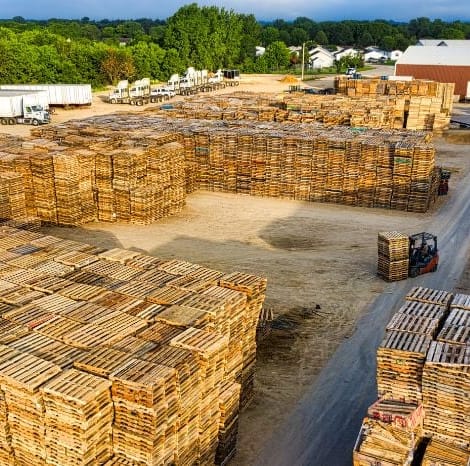
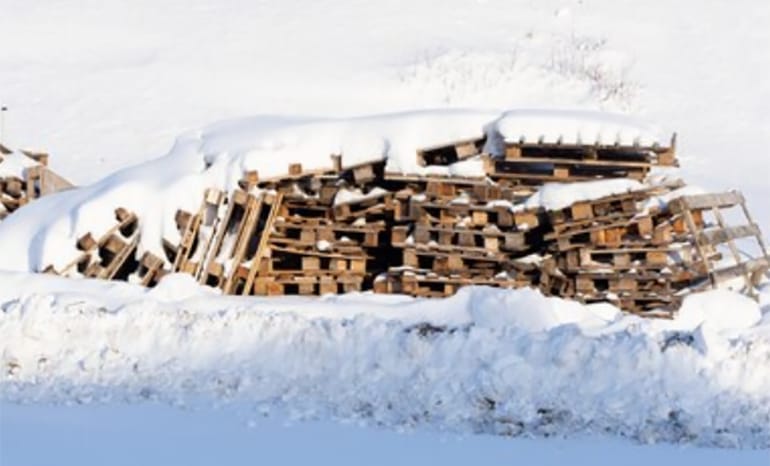
The winter months bring their own set of issues for pallet management, particularly when it comes to outdoor storage. While space constraints may tempt you to store pallets outdoors, this is not advisable due to the porous nature of wood. Pallets absorb moisture from snow and rain, which can weaken their structural integrity and increase the risk of mold growth. If pallets freeze, they become brittle and can easily break under pressure.
Key Winter Considerations:
- Moisture Exposure: Prolonged exposure to snow and ice can weaken wood pallets, making them less durable for transporting heavy loads.
- Freezing Temperatures: Cold temperatures can cause wood to crack or splinter more easily, which could lead to operational slowdowns if pallets need frequent replacements.
- Outdoor Storage Risks: Never store pallets outdoors in winter without proper coverings. Exposure to freezing and thawing cycles can make pallets unsafe to use. Not only does it pose a risk of mold, but the structural integrity can be compromised making them easily breakable.
By ensuring proper storage and routine inspections, you can protect your pallet stock from damage during the colder months. This will allow your operations to flow smoothly and keep your products safe.