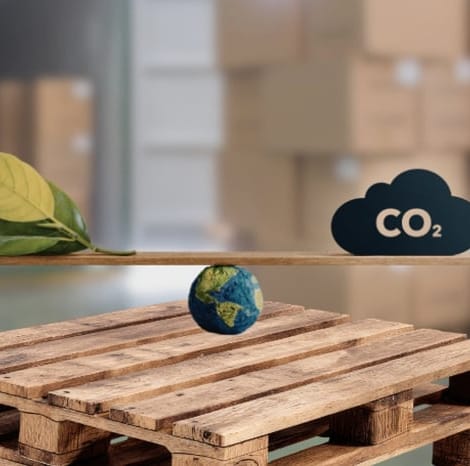
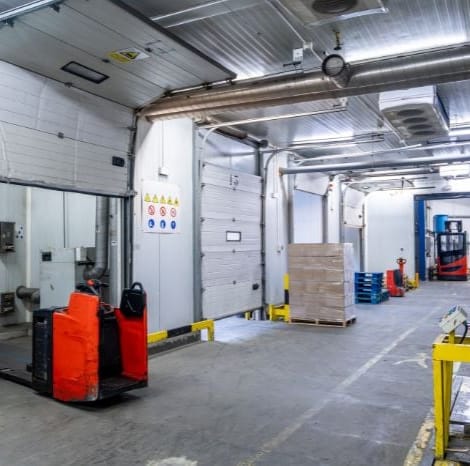
Warehouse Safety in Extreme Temperatures
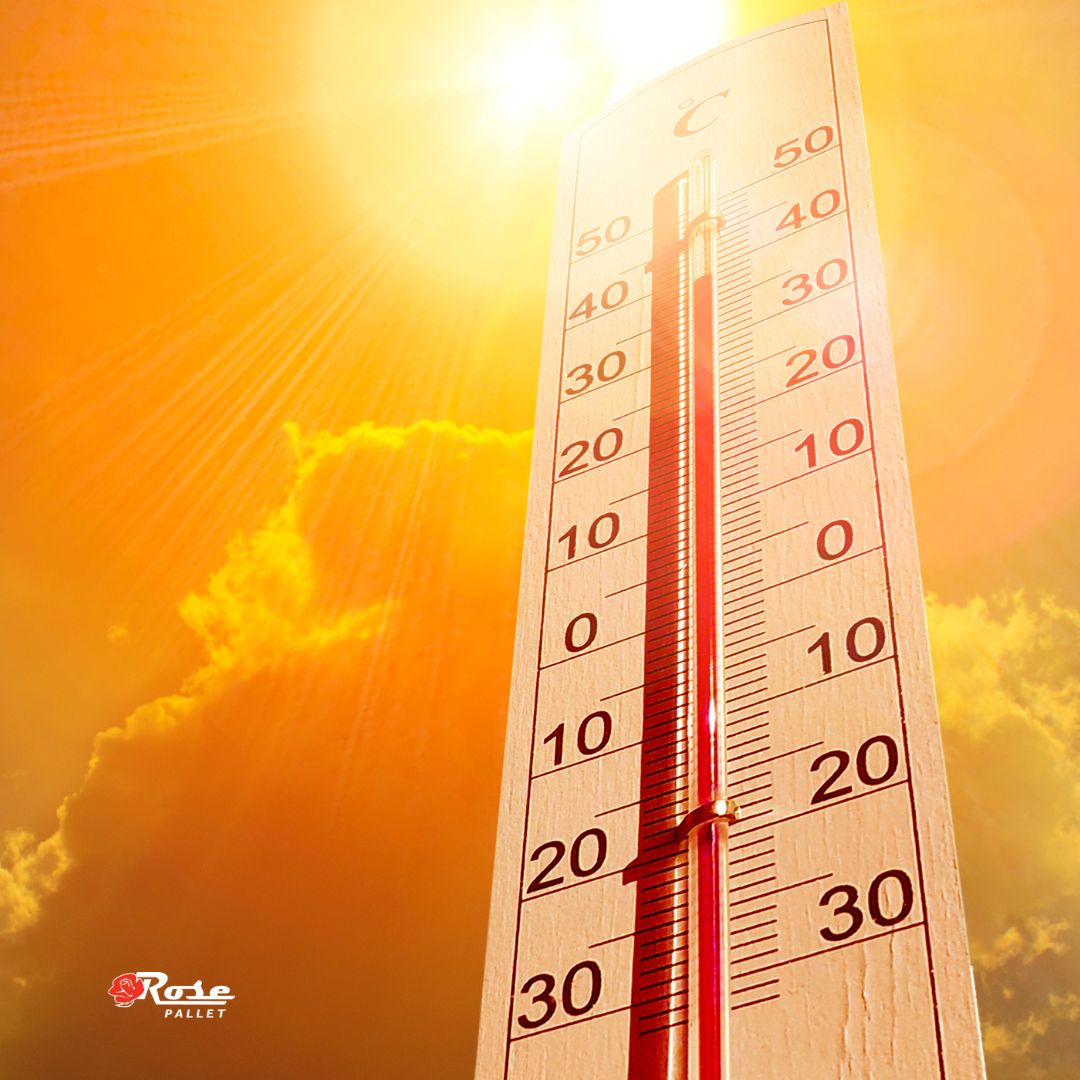
The summer months can be rough working conditions. Physically demanding responsibilities can pose a threat and need to be done cautiously. Extreme temperatures can pose several different threats to not only the workers but the machinery as well. Here are 5 warehouse safety tips with OSHA recommendations to navigate during the summer months.
1. Stay Properly Hydrated.
One of the most important things year round is remaining properly hydrated. Especially in the warmer months you will want to up your water intake. Do NOT wait until you are thirsty, it is important to not wait until you are in a state of need. Try to take small drinks of water as well rather than consuming a lot in a short amount of time. Also, stay away from drinks that dehydrate you such as coffee and sports drinks.
2. Keep Large Fans & Windows Open.
Circulation can help stop the build up of warm air in one spot. Having a breeze come and cool off the working area can greatly decrease the likelihood of overexposure. Having a large fan is best. Although it will not cool off the air, it will allow the air to circulate creating a breeze. There are other ways to invest in changing the air in the workspace. HVAC systems can force airflow better than a larger fan. Sometimes an air conditioner may be of great use as well, just ensure there is a way to stop the cold air from escaping.
3. Avoid Prolonged Exposure to the Sun if Possible.
OSHA states that, “Most outdoor fatalities, 50% to 70%, occur in the first few days of working in warm or hot environments because the body needs to build a tolerance to the heat gradually over time.” This is why during the first days to weeks of increased temperatures it is important to allow time inside or in shaded areas to cool down.
4. Identify Sources of Environmental Heat.
Of course the extra heat is created by our bodies due to natural responses to the workload. This heat paired with any environmental sources of additional heat can tend to go overlooked. Thankfully OSHA has a listed a few things to watch out for.
- Air temperature.
- Humidity. High relative humidity makes it difficult for the body to cool itself through sweating.
- Radiant heat from sunlight or artificial heat sources such as furnaces.
- Air movement. In most situations, wind helps workers cool off.
5. Check Machines for Over Heating
It is important to regularly check the machines necessary for production. In addition to workers overheating, their machinery poses the same risk. One of the most often used tools are forklifts. On hot days it should be remembered to give the forklifts frequent breaks as well. Driving slower around the warehouse may also help them to stay regulated. Other environmental things such as debris, dust etc. can become trapped in the radiator. It is important during these checks to also ensure that there is enough coolant and other fluids. Doing these full inspections and taking more breaks should help lessen the frequency of overheating.