How Sustainable Is Your Pallet?
In today’s supply chain, sustainability isn’t just a preference—it’s a priority. As more companies set zero waste to landfill goals and track their environmental impact, the sustainability of their pallets becomes a crucial consideration.
At Rose Pallet, we know that both wood and plastic pallets can play an important role in meeting sustainability targets—depending on how they are sourced, maintained, and reused.
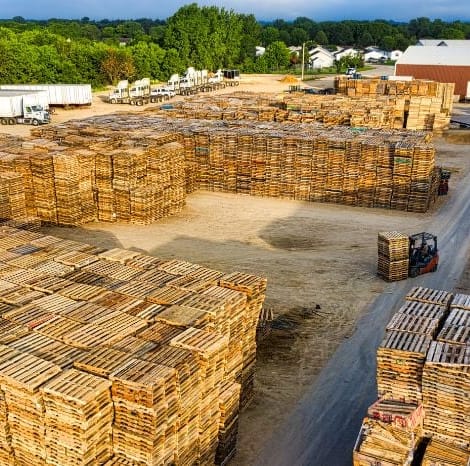
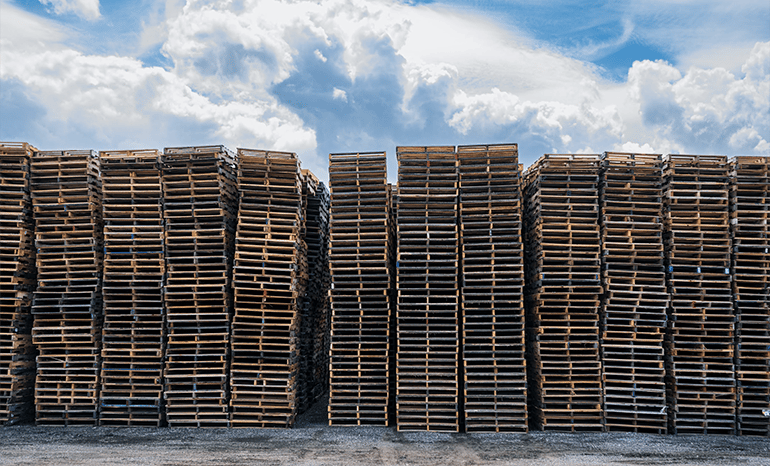
Wood pallets remain a top choice for eco-conscious supply chains. Wood is a renewable resource, and pallets can be repaired multiple times to extend their useful life. At the end of their service, wood pallets are often recycled into mulch, animal bedding, or biofuel—keeping materials out of landfills. In fact, more than 95% of wood pallets are recycled, according to industry research. A well-managed wood pallet program supports a closed-loop system where almost nothing goes to waste.
Plastic pallets are also a viable option for their durability and reusability. They can last up to 10 times longer than wood pallets in certain environments, making them a valuable asset for operations that prioritize long-term reuse. Many plastic pallets are also made from recycled materials and can be recycled again at the end of their lifecycle, reducing overall environmental impact.
When considering sustainability, it’s important to look at the total asset lifecycle—not just the material or price. Choosing the right pallet depends on your system’s needs, how often pallets are cycled, and your recovery and recycling processes.
Simple Steps to Improve Pallet Sustainability:
- Source Recycled Pallets: Choose pallets made from reclaimed wood or recycled plastic whenever possible.
- Repair Before Replacing: Set up a pallet repair program to extend the life of your assets.
- Recycle at End-of-Life: Partner with Rose Pallet to ensure pallets at the end of their lifecycle are repurposed.
At Rose Pallet, we work with our customers to build customized pallet solutions that support their sustainability goals—whether that means building remanufactured pallets, setting up recycling programs, or helping you manage waste and scrap.
The bottom line: pallets—when responsibly sourced, maintained, and recycled—can be a powerful part of a sustainable supply chain.
Let us help you understand the value of a reusable tool in your system. Contact us today!