Effective Inventory Management
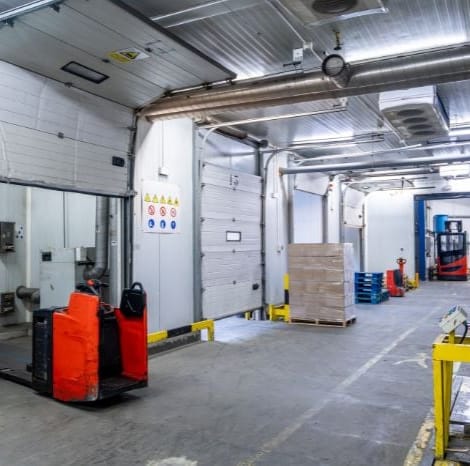
The supply chain always has many different moving parts. One of the main components of the supply chain is the products being moved and made in warehouses. This is where an effective inventory management program comes into-play. There are three main strategies for inventory management currently, Vendor Managed Inventory (VMI), Just in Time (JiT), and Just in Case (JiC). The form of management considered will be due to various external factors such as their physical space confinements, order frequency and more.
Vendor Managed Inventory (VMI)
Companies who have a lot of complexity in their manufacturing process may prefer this strategy. This allows the outside vendor to come and survey the multitude of SKU’s in use and allocate resources as needed. A safe inventory number will be decided for each item SKU and a dedicated representative will be on-site regularly to take note of the current inventory. When there is a need, an order will be made. This allows for unneeded SKU’s to be eliminated and a healthy inventory to always be present.
Just in Time (JiT)
The just in time model allows for materials to arrive basically ‘just in time’ for production as the name suggests. Warehouses with limited space may prefer this approach. It can help cut down on clean up time and organization. The main problem with this form of inventory management is that when major world events happen the production can be completely halted. This was shown to us with the COVID-19 epidemic and the Suez Canal being blocked back in 2021. If you were waiting on deliveries and had no access in stock, there will be no way to continue production.
Just in case (JiC)
Having an access of materials is very beneficial to keep production going even when waiting on a load. This is when Just in Case management is beneficial. In events where the supply chain is halted like on a massive scale, like COVID, this is the way to ensure operations continue as scheduled. However, more warehouse space will be needed to house the materials. Also, the risk of unused inventory can arise wasting money. Knowing optimum inventory levels will help, so long as you all also implement regular inventory checks.
Once you understand each type of inventory management it is easier to decide which best matches your internal operations. Take a survey of the current process and the benefits that it brings production. Make sure the warehouse manager and receiving managers are involved in the process to ensure it is also functional from a workers stand point if operations is not typically on the floor directly contributing to production.